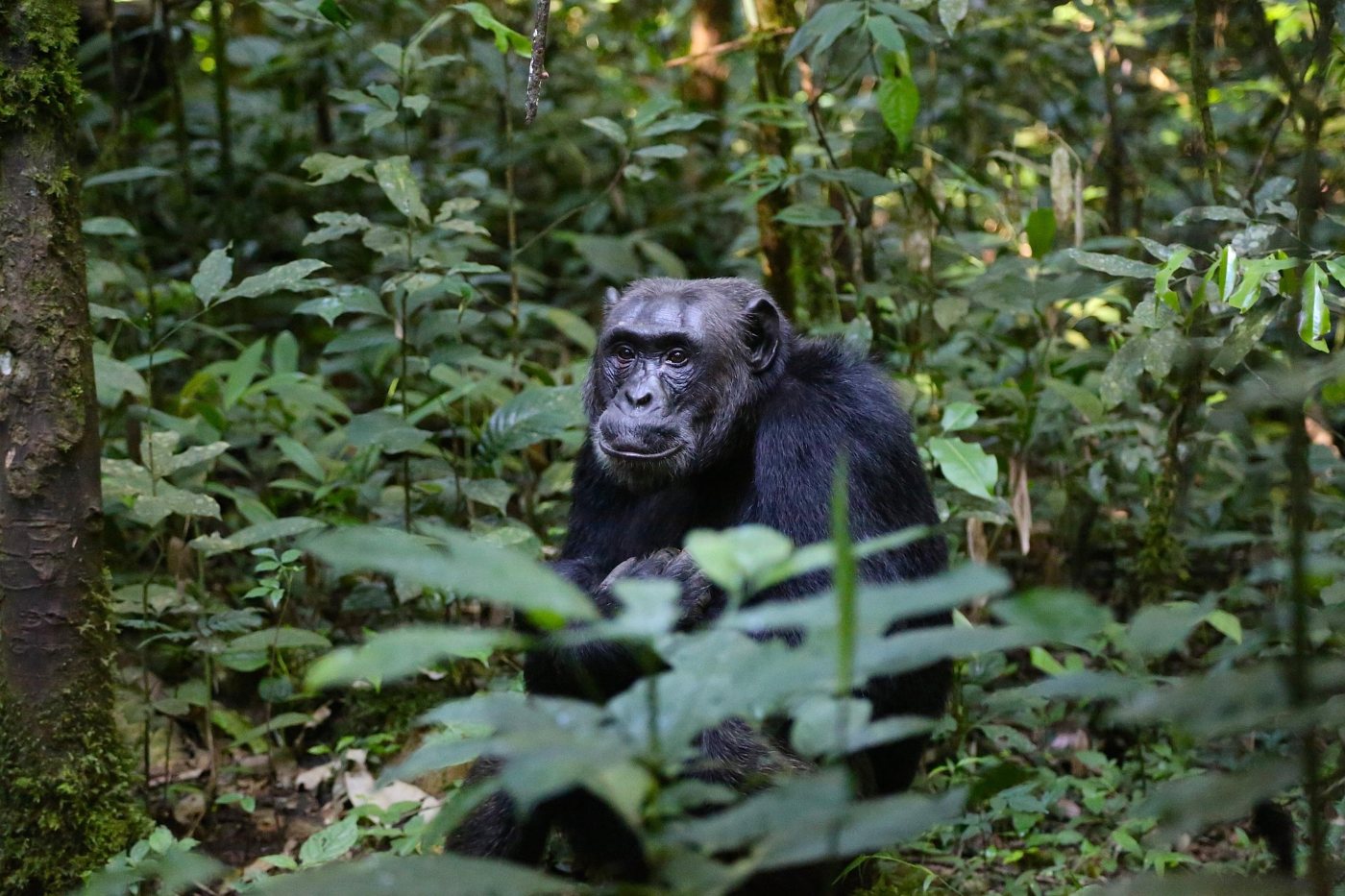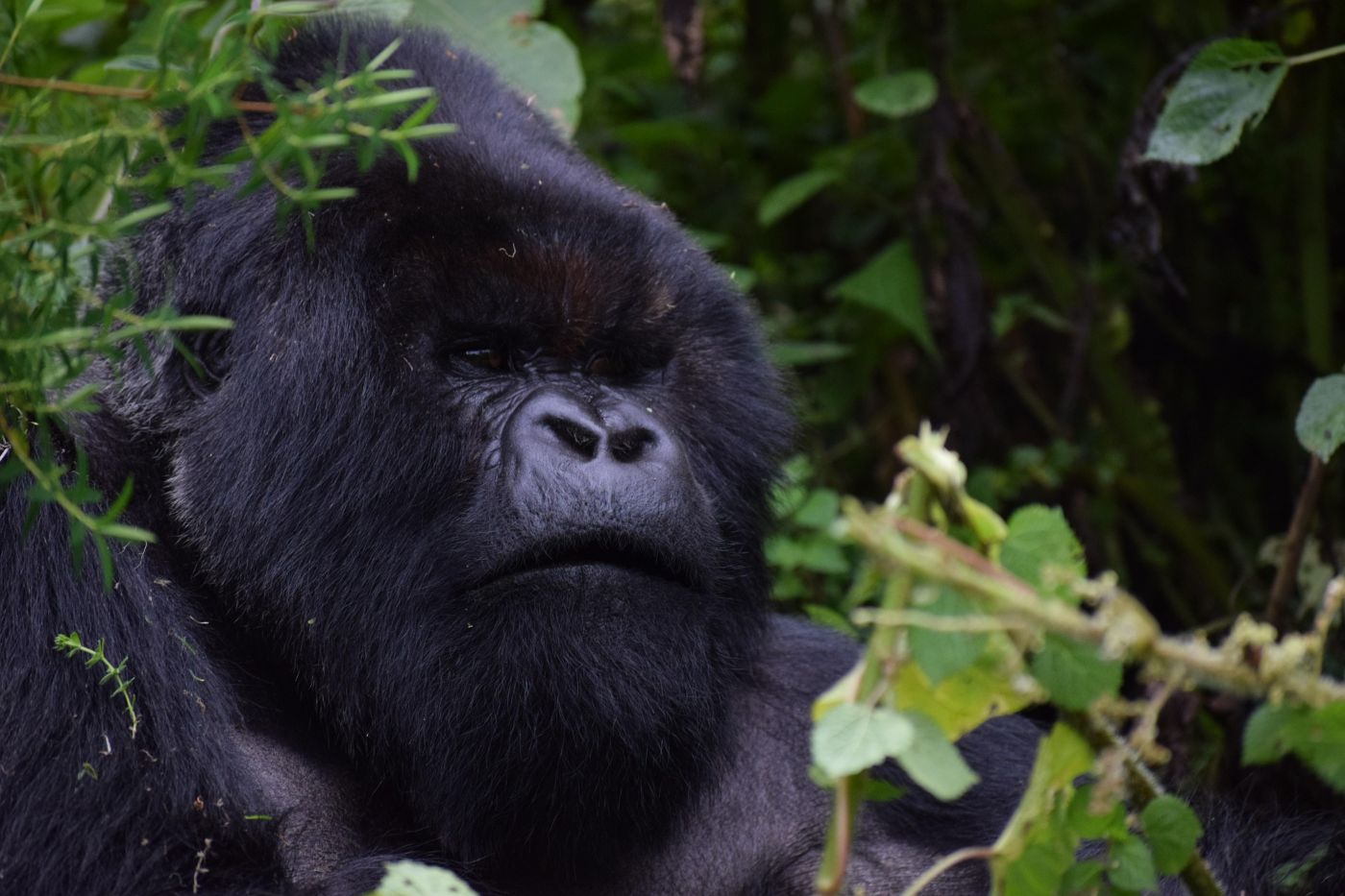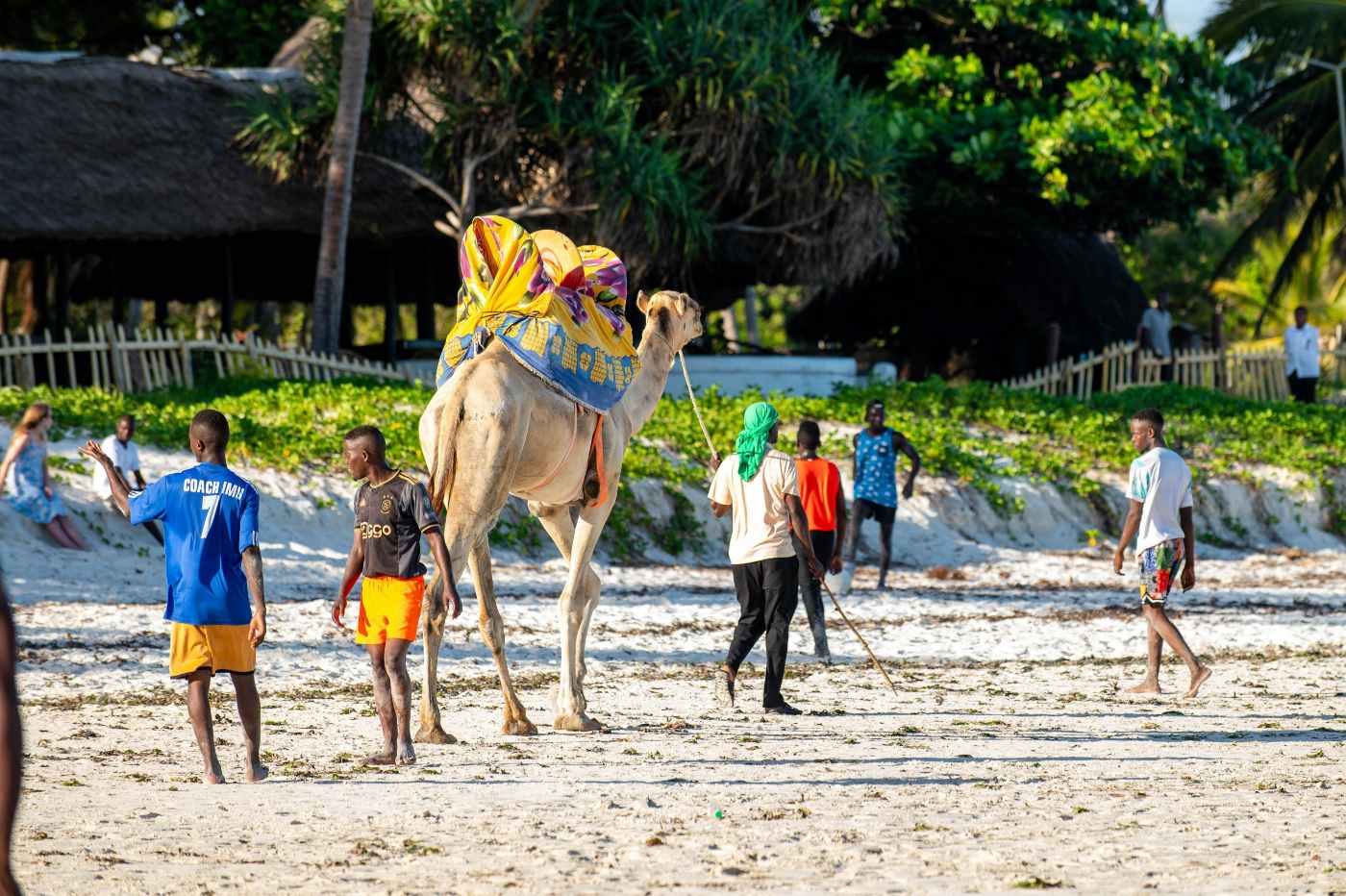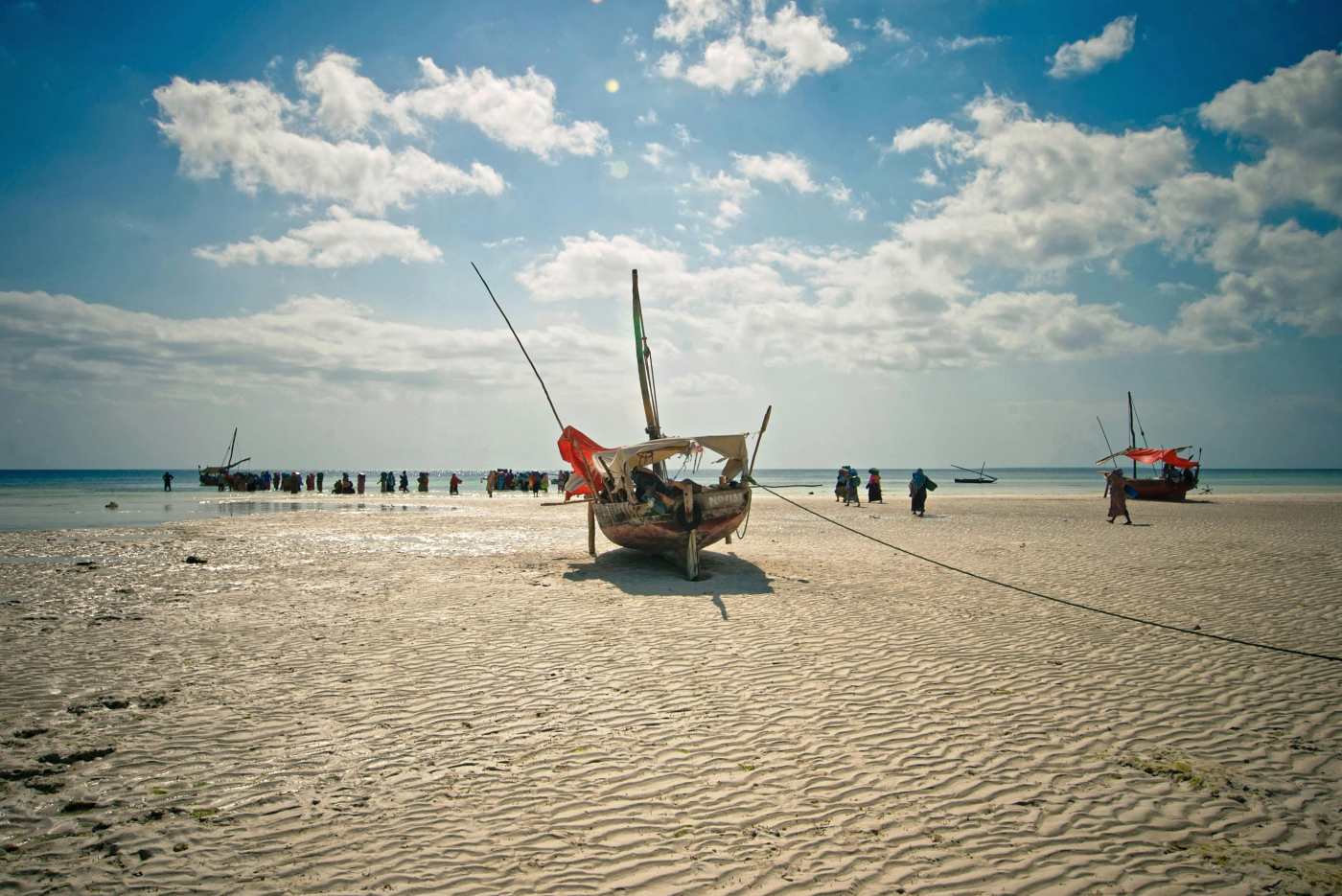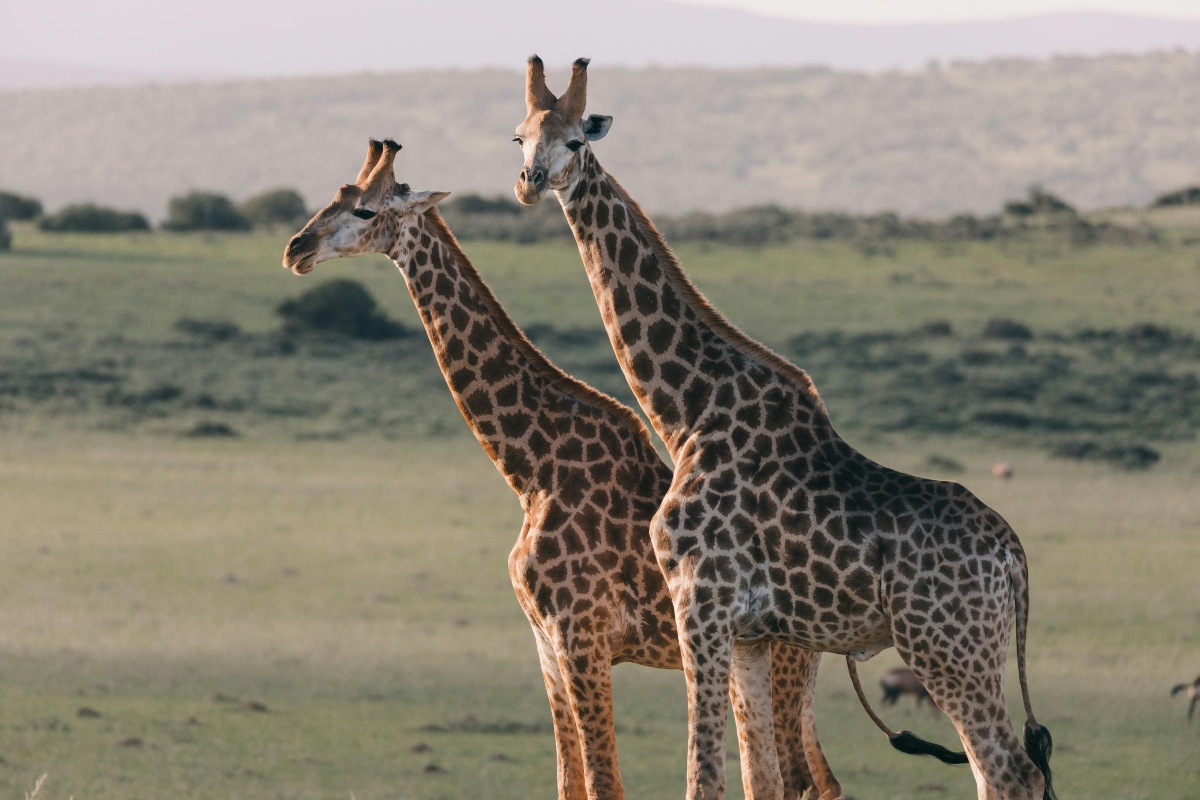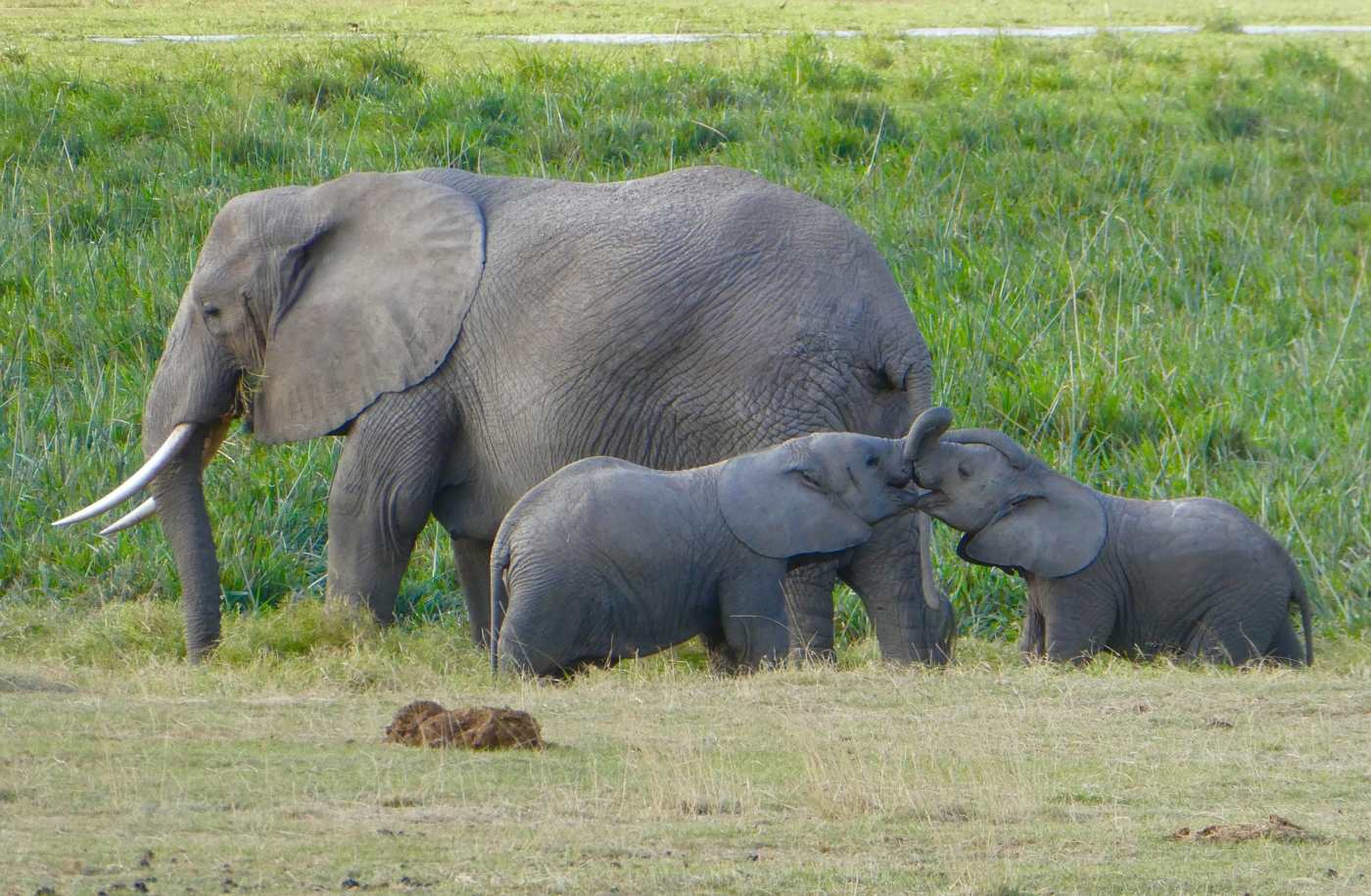
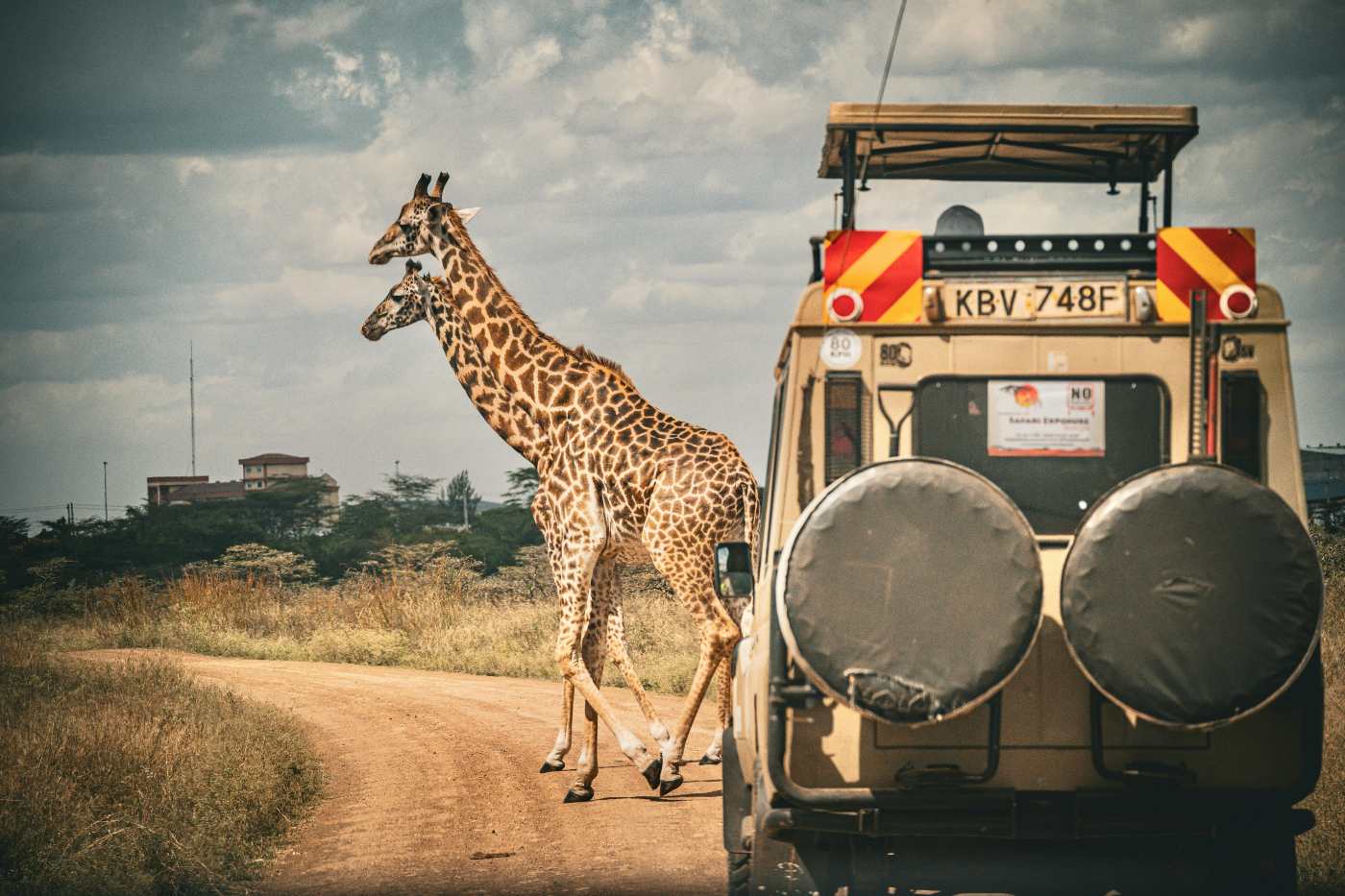
There is a persistent myth about Kenya safaris that I want to address directly, because it puts people off making trips that they would love and that would be completely within their means. The myth is that a Kenya safari requires a significant luxury travel budget – tents with outdoor bathtubs, gourmet dinners under the stars, helicopter transfers between lodges. These things exist, and if you have the budget for them they are genuinely wonderful. But they are not the only way to see the Maasai Mara, and they are not what makes the wildlife extraordinary. The lion does not care what category of tent you slept in.
I have done Kenya safaris at multiple budget levels – as a newcomer to Nairobi when we were still figuring out the cost of everything, and later with more flexibility. What I know is that the experience of the wildlife – the actual thing, the reason you go – is available at every price point. What changes with budget is comfort and convenience, which matter, but less than you think when you are watching a cheetah hunt at dawn.
Understanding the Costs
The main costs of a Kenya safari are accommodation, park fees, and transport. Of these, park fees are fixed – the Kenya Wildlife Service sets them at published rates and they apply regardless of which lodge you stay in. For non-residents, the Maasai Mara costs $80 per adult per day, and most other parks are between $30 and $52 per adult per day. These fees are non-negotiable and should be factored into any budget from the outset.
Transport is the next major variable. Flying to the Mara or Amboseli is significantly more expensive than driving, but it saves time and – particularly for families – energy. If your budget is tight, driving is a perfectly reasonable option for most parks. The road to the Mara from Nairobi takes five to six hours and the last stretch is rough, but it is manageable. Hiring a self-drive vehicle is cheaper than a guided vehicle with a driver-guide, but you lose the expertise of a good guide, which is genuinely significant. A mid-budget option is to book a budget camp that provides shared game drives with a guide.
Budget-Friendly Park Options
Not all Kenya parks have the same price tag in terms of accommodation, and choosing a less-visited park can dramatically reduce costs without significantly reducing the wildlife experience. Tsavo East and Tsavo West together form the largest protected ecosystem in Kenya and are substantially cheaper than the Mara in terms of accommodation options, while offering extraordinary wildlife including the famous red elephants, Mzima Springs, and the Shetani lava fields. Tsavo does not have the migration, but it has solitude and scale and an authenticity that some travellers find more moving than the crowded circuits of the Mara.
Lake Nakuru is a two-hour drive from Nairobi, has park fees on the lower end, and offers white and black rhino, flamingos, and a fully fenced park with reliable wildlife sightings. For a first safari or a short weekend, it delivers extraordinary value. Aberdare National Park is another underrated option – forest safari, treetop lodges, and the chance to see black leopard, giant forest hog, and bongo antelope.
Accommodation Options at Different Budgets
Kenya’s camping infrastructure in and around national parks is better than most people expect. KWS-run campsites inside parks like the Mara and Tsavo offer very basic facilities – pit latrines, water points, and not much else – but the experience of sleeping inside a national park, with whatever decides to walk through your campsite at night, is not available at any price at a lodge. Budget camping here is genuinely adventurous and genuinely memorable.
Mid-range tented camps – which in Kenya typically means permanent canvas tents with proper beds, en-suite bathrooms, and meals included – can be found in most ecosystems for $150 to $300 per person per night, which is a fraction of the luxury lodge price. The wildlife is the same. The food is typically good and sometimes excellent. The guides are the same calibre. The difference is the size of the tent and the presence or absence of a swimming pool.
Tips for Reducing Costs
Travel in low season. June and the dry months are peak season in the Mara because of the migration, and prices reflect that. The long rains in April and May bring prices down significantly. The Mara in a green landscape, without the migration, is quieter and cheaper and still wonderful. Many safari operators and camps offer significant discounts for Kenyan residents, and if you are living in Nairobi, make sure you are booking at resident rates – the difference can be 40 to 50 percent.
If you’re considering doing a safari and beach combination, consider doing national parks that are closer to the coast such as Tsavo or Shimba Hills National Reserve. This will save you a lot of time and money. For instance, travelling from the Masai Mara to Diani will definitely cost you more. For instance, you might need to do an extra night in Nairobi, or even opt to take a flight, which will only increase the cost of the safari.
Book directly where possible. Online booking platforms add margins that you can avoid by contacting camps directly, particularly for longer stays or off-peak timing. Many camps will negotiate on price for longer bookings or will add extras – an extra night, a private game drive – to make the deal feel right.
The best safaris I have done in Kenya were not the most expensive. They were the ones where the guide was excellent, the timing was right, and we spent enough time in the park to let it show us what it wanted to show. None of those things are a function of what you spend on the tent.