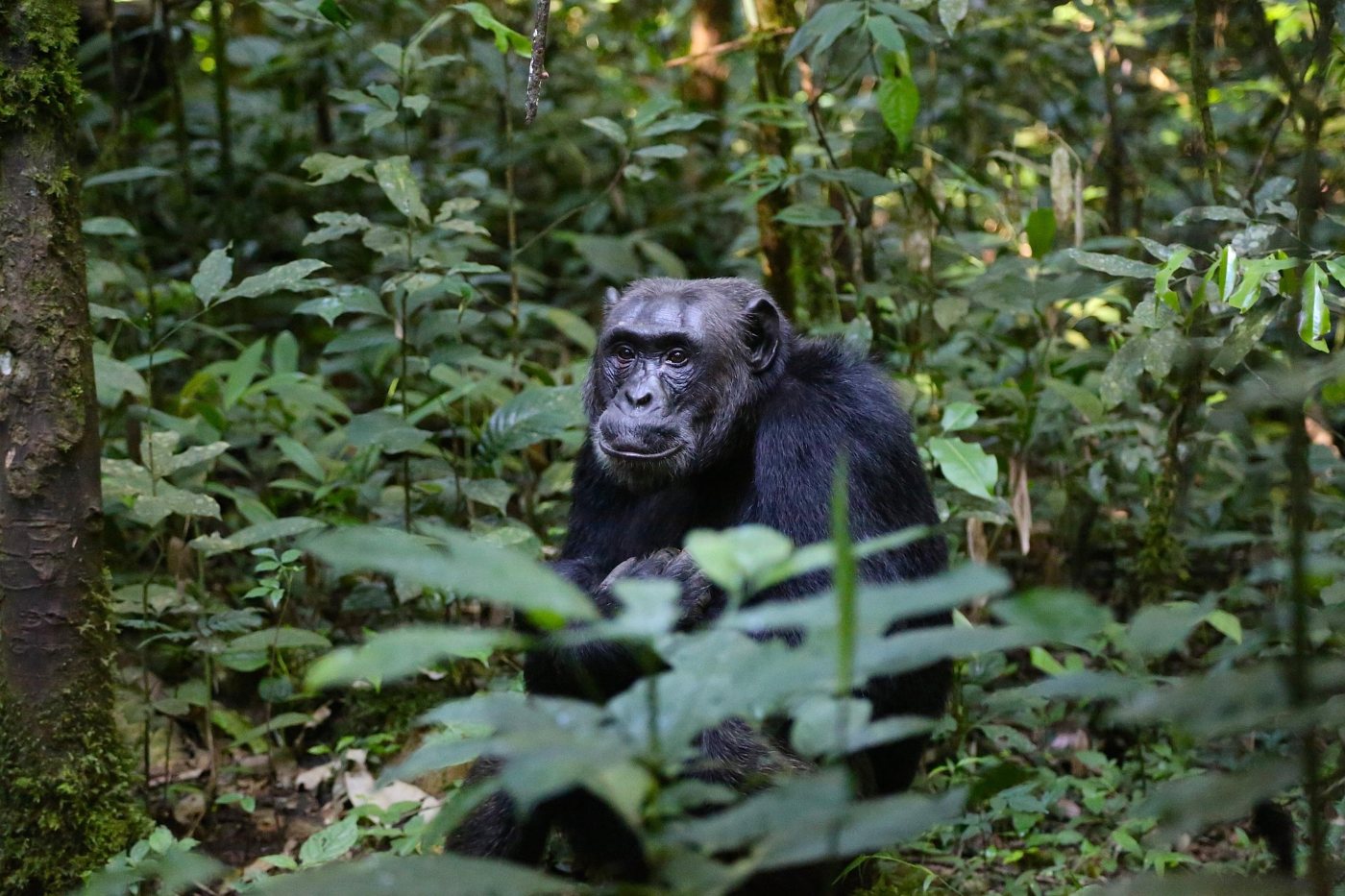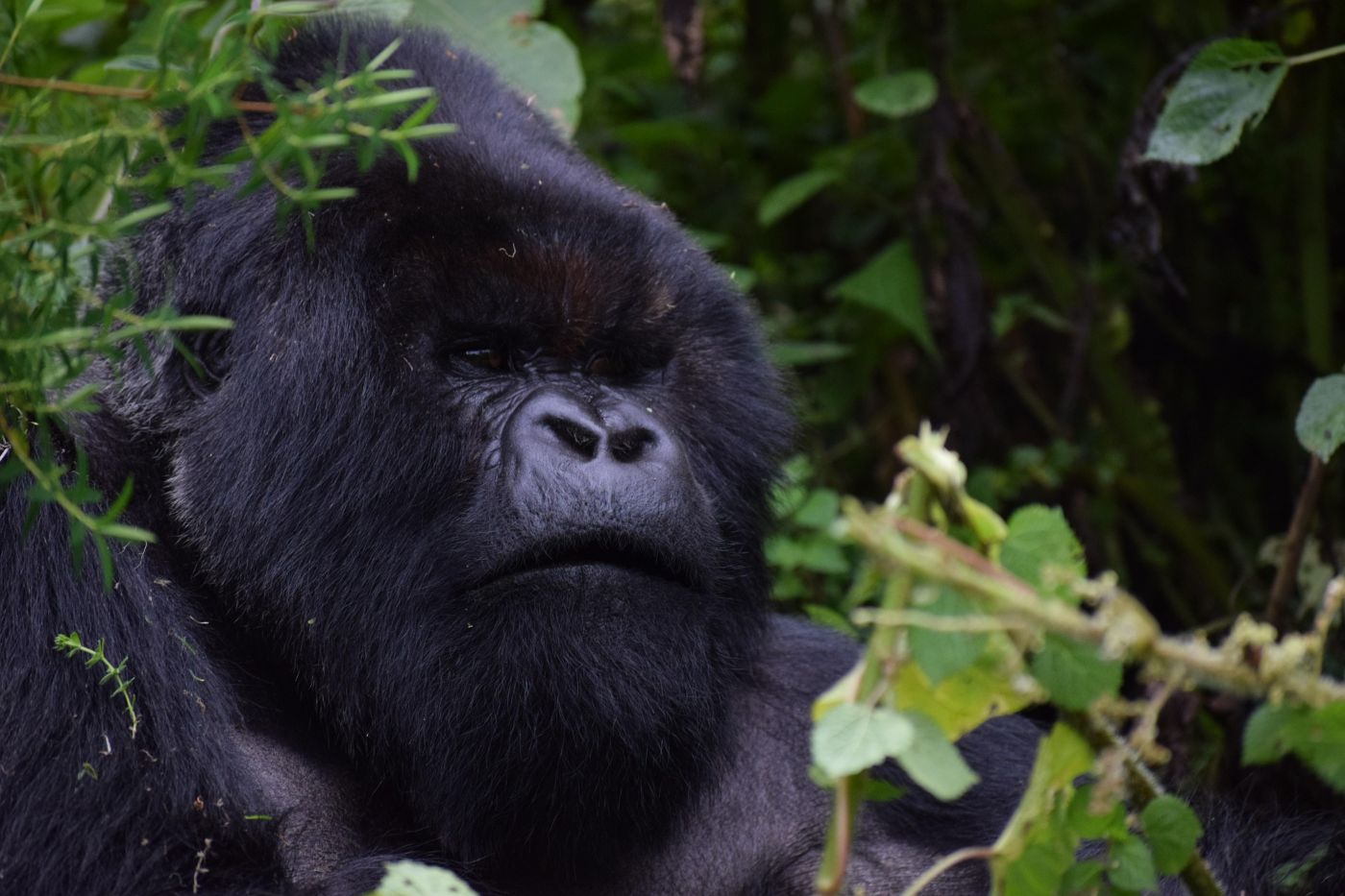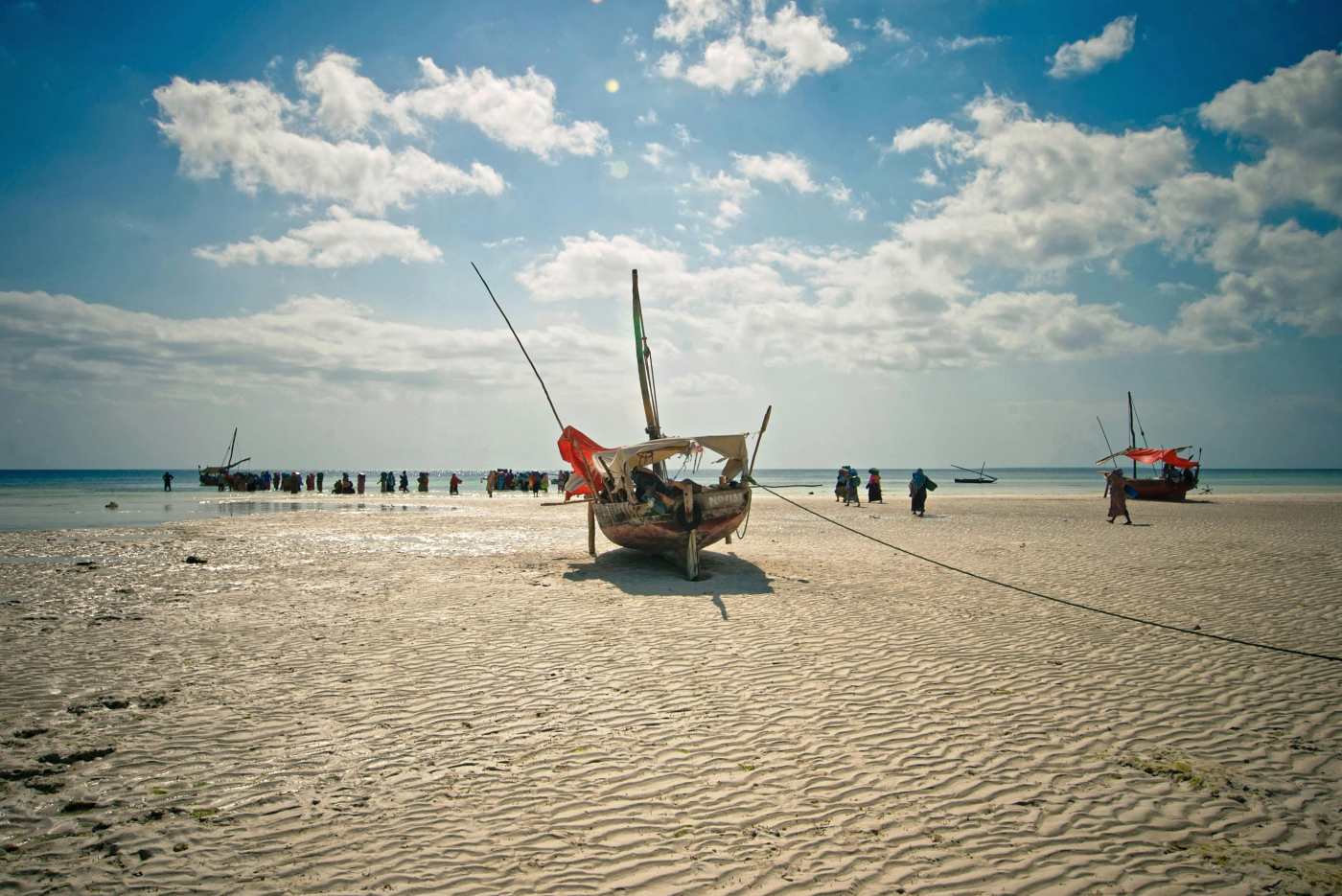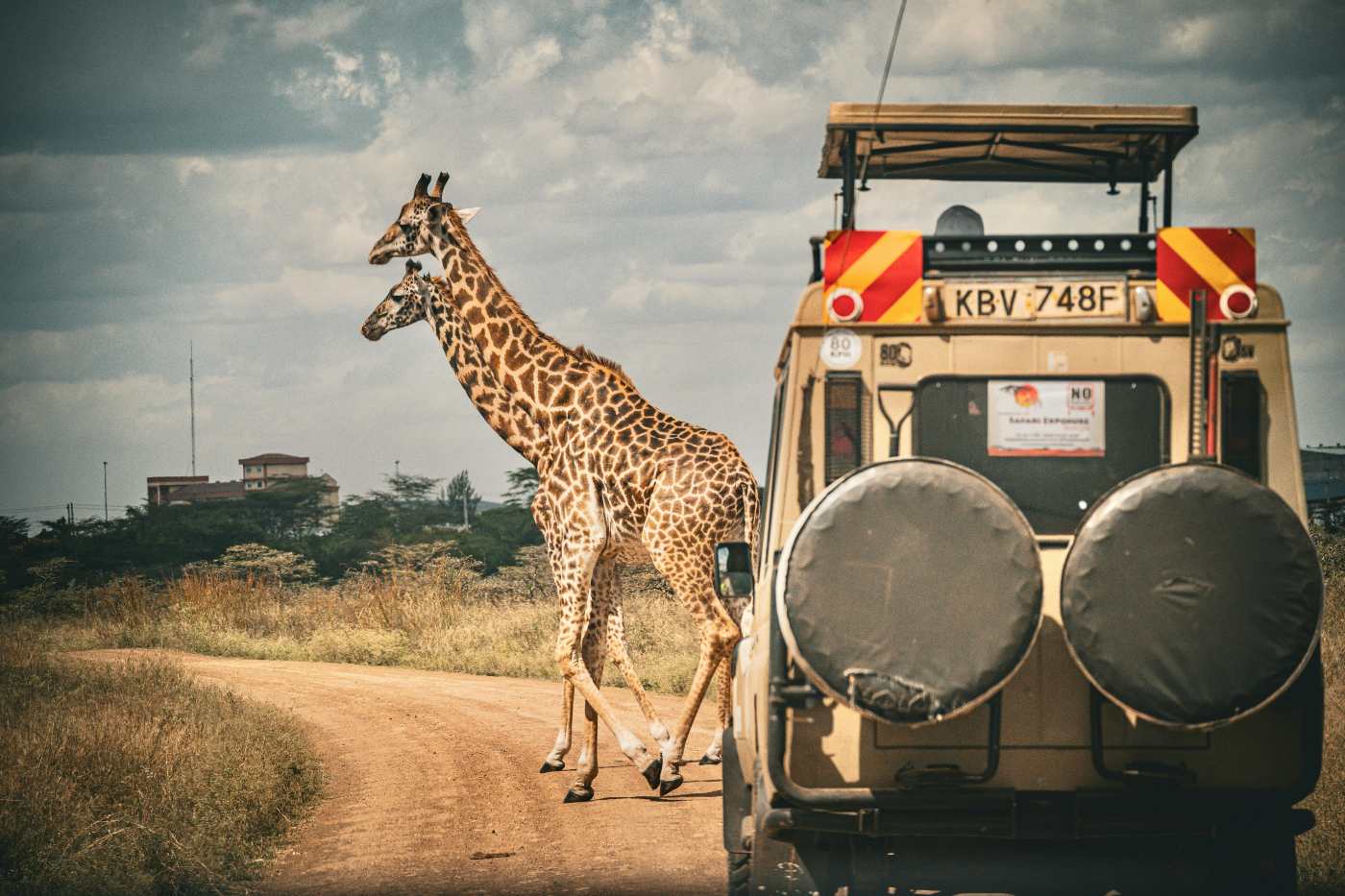
School holidays in Kenya operate on a different rhythm from the school holidays I grew up with. In the northern hemisphere, school breaks were things to be planned around – camps, playdates, rainy afternoons, the occasional trip somewhere. In Kenya, school holidays are when you actually go places, because the places you can go are so extraordinary that the breaks are insufficient rather than too long.
The Kenyan school calendar – at most international schools – runs three terms with holidays between: a long break in December and January (four to six weeks), a medium break in April (three to four weeks), and a shorter break in August (two to three weeks). Each break falls in a different season, which means the travel options and priorities genuinely change throughout the year.
August Holidays: The Mara and the Migration
August is the heart of the Great Wildebeest Migration in the Maasai Mara, which makes it the most competitive – and most expensive – time to book safari accommodation. If you are going to do one Mara trip during your Kenya posting, August is when to do it. Book accommodation six to eight months ahead; the best camps fill up by January for the August peak.
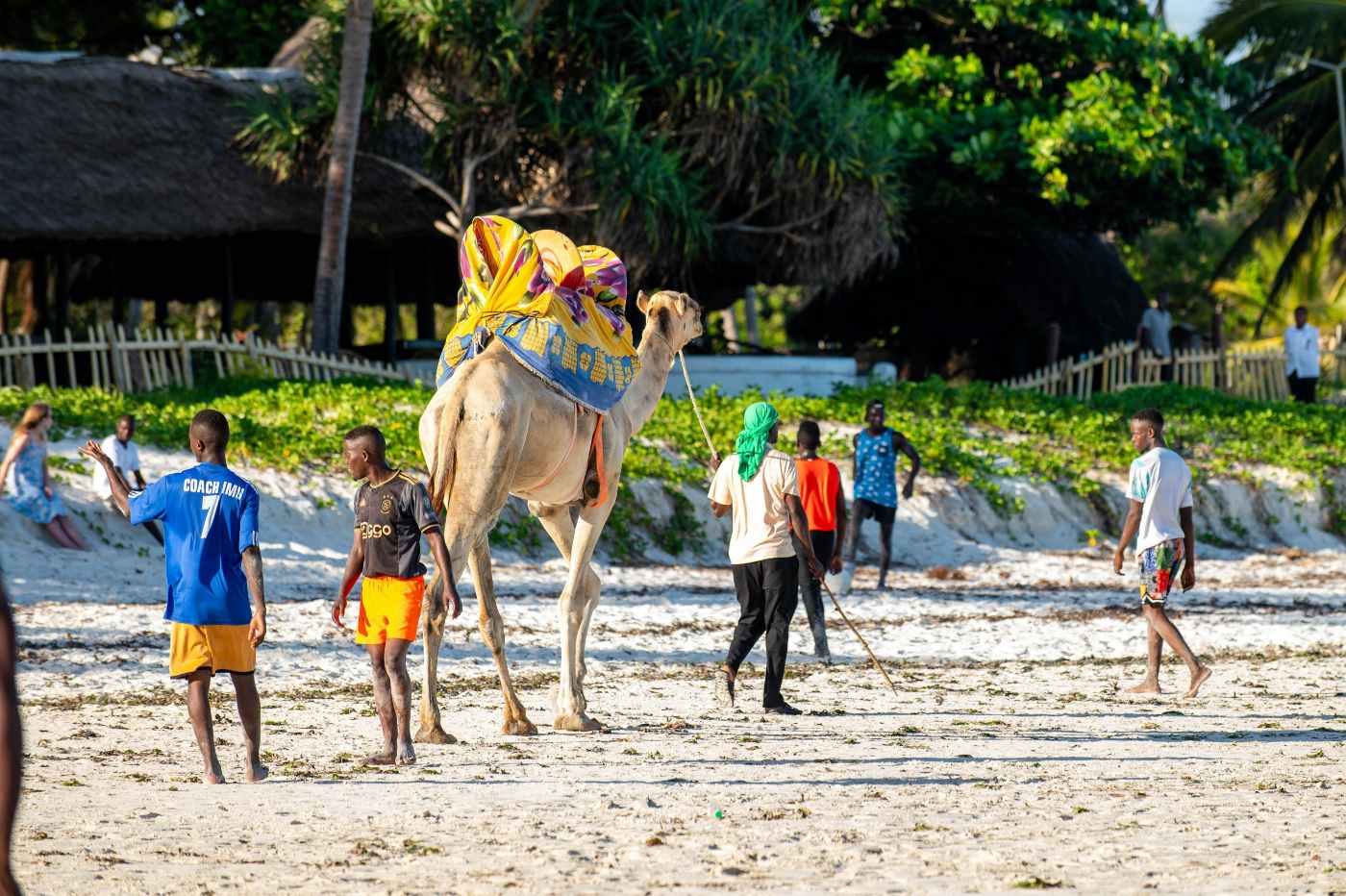
If the Mara is beyond budget at peak rates, August is also excellent for Amboseli (Kilimanjaro tends to be clearer in the dry month of August), Ol Pejeta Conservancy (cheetah and rhino are fantastic at this time), and Samburu in the north (the Special Five, dry landscape, and far fewer crowds than the Mara). The Kenyan coast in August is peak season – warm, clear, and busy – and Diani or Watamu makes a perfect bookend to a safari if you can manage both in the same break.
April Holidays: The Green Season
April falls in the long rains, which puts some people off safari travel, and those people are missing something. The green season in Kenya – when the landscape shifts from golden-brown to an improbable deep green, and the skies do dramatic things with clouds and light – is genuinely beautiful and dramatically cheaper. The long rains typically run from March to May, with afternoons often bringing significant showers while mornings are clear. Game drives in the morning, back to the lodge by noon before the rain – it works beautifully and the wildlife is often spectacular as animals concentrate around the new grass.
The coast in April is less reliable – the monsoon brings rougher seas and some rain – but the western parks (Maasai Mara, Lake Nakuru, Hell’s Gate) are accessible and less crowded than in the dry season. This is also the ideal time for Nairobi-based activities: the Nairobi National Park, which is always there and always underrated, is spectacular in the rains when it is lush and green and you can have the roads almost to yourself.
December and January: The Long Holiday
The long school holiday over December and January is when families most often travel further afield – this is the Zanzibar trip, the Cape Town trip, the Victoria Falls trip. Within Kenya, the short rains have typically ended by December and the landscape is beginning to dry. It is a good time for the coast and a reasonable time for most parks, with Christmas week being predictably expensive and busy.
January in Kenya is dry, warm, and increasingly recommended for the Maasai Mara – the calving season begins, which brings extraordinary predator activity as lions, cheetah, and wild dog target newborn wildebeest calves. It is less dramatic than the migration crossings but in some ways more visceral, and the park is far less crowded and far cheaper than August.
Day Activities Around Nairobi
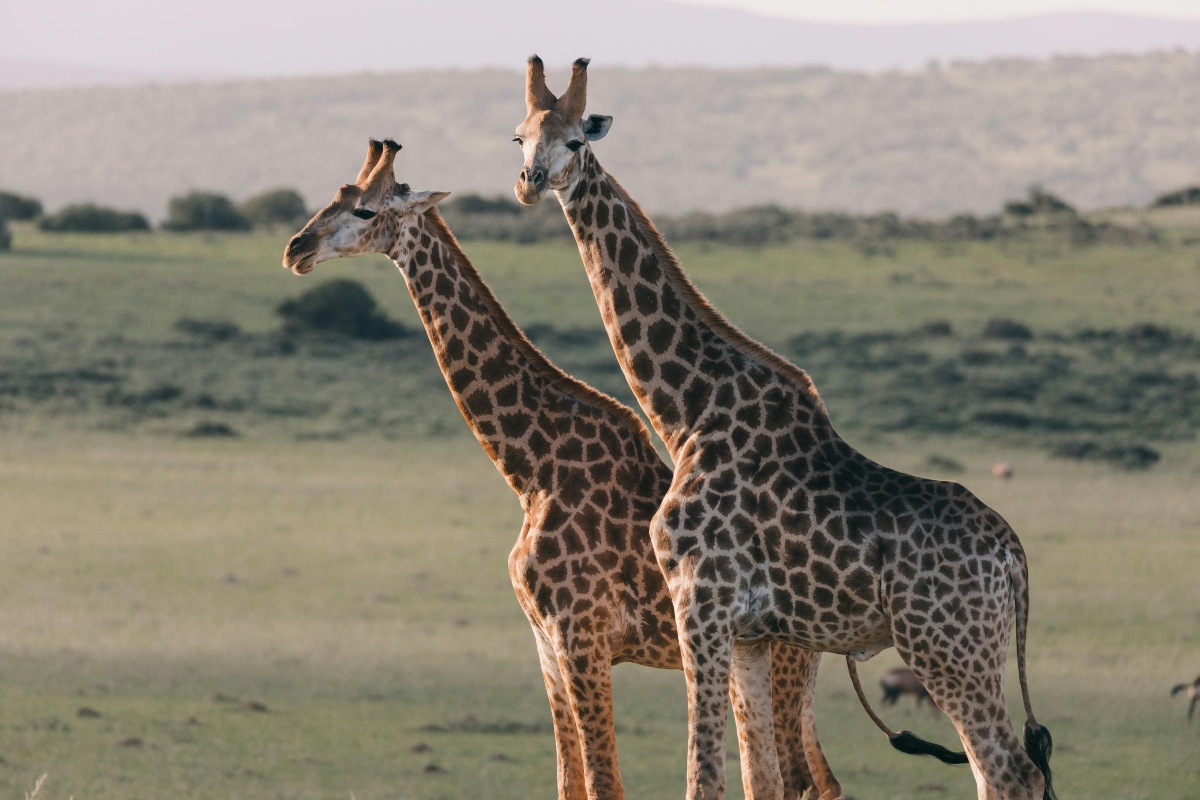
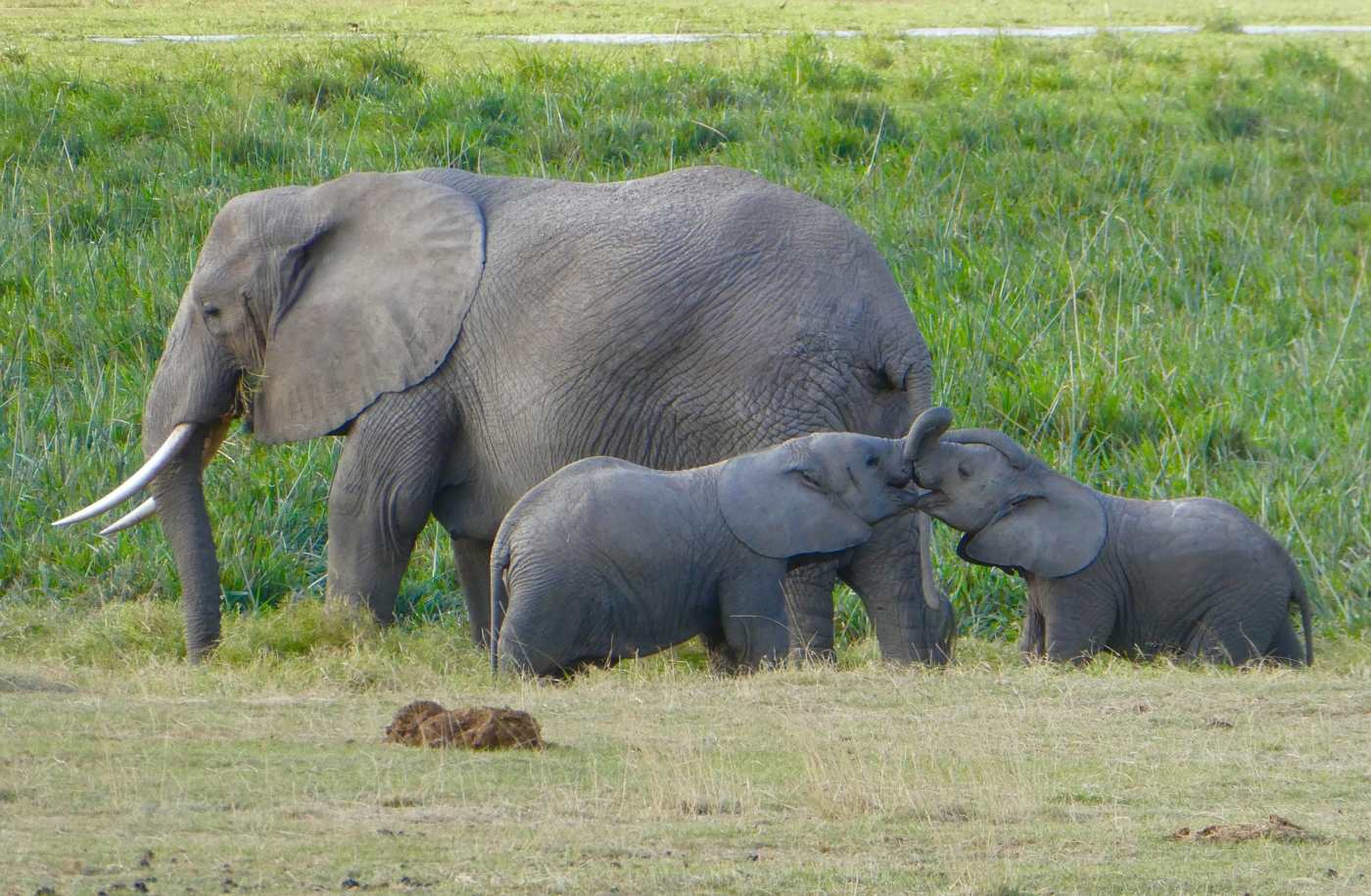
For shorter breaks or supplementary activities, Nairobi itself has more to offer families than newcomers expect. The Giraffe Centre in Karen never gets old, regardless of how many times you have been. The David Sheldrick Wildlife Trust elephant nursery visiting hour is the kind of thing you find yourself taking every visiting friend and family member to. Nairobi National Park for a half-day game drive is always reliable.
The African Fund for Endangered Wildlife (home of the Giraffe Centre) also runs conservation education programmes for children during school holidays. Bomas of Kenya offers a cultural performance experience – traditional dances and demonstrations from Kenya’s major ethnic groups – that is good for older children with some cultural context. Kiambethu Tea Farm, about forty minutes from Nairobi, runs tea farm tours that include a tour of the garden, a history of Kenya’s tea industry, and a proper tea service on the terrace – it is one of the more charming half-days available within easy reach of the city.
Planning Ahead
The single most important piece of advice for navigating school holidays in Kenya as an expat family is to book accommodation early. This is not a country where you can generally decide in week two of the holidays where you want to go in week three and find availability at reasonable prices. The safari camps and coast resorts that families want fill up quickly, particularly for the August and December peaks. A planning calendar for the school year’s holidays, made in term one, saves money and eliminates the disappointment of finding your preferred destination fully booked.
Keep a list of what you have done. It sounds basic, but when you are in the middle of a posting and the weeks are full, it is easy to forget to use the extraordinary access you have. Looking back at the end of a year and realising you did three weekends in the same place and missed six other things you meant to try is a very common expat regret. The access you have here is temporary. Use it.