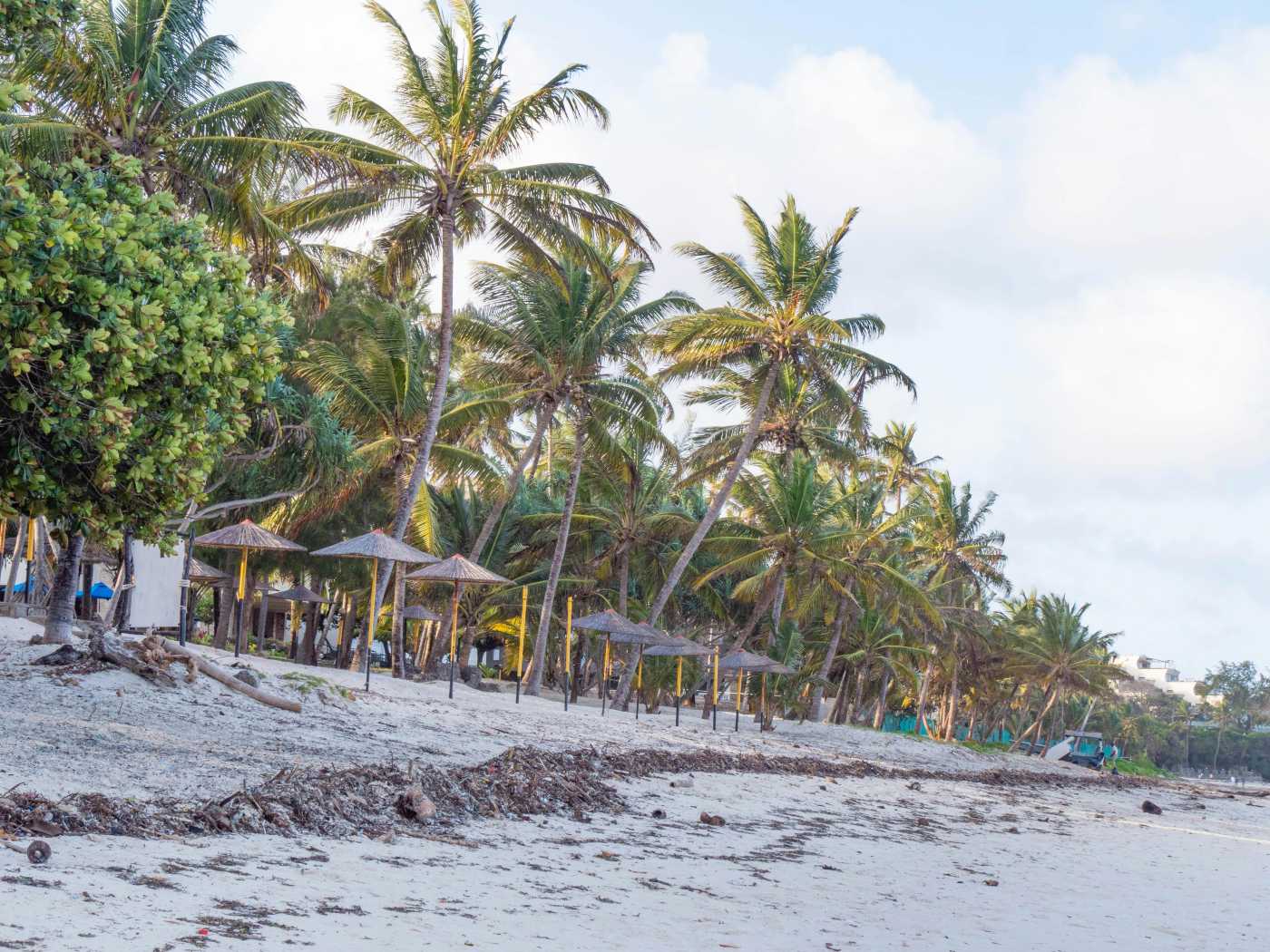
Diani is wonderful. I have said so many times and I will say so again without reservation. But Kenya’s coast is long – over 500 kilometres of Indian Ocean shoreline – and the traveller who limits their coastal experience to Diani is missing a significant amount of what makes this coastline genuinely extraordinary.
I have worked my way along the Kenyan coast over several years of school holiday trips and long weekend excursions, and what I keep finding is that the further you go from the obvious, the more interesting things get. Here are the coastal destinations that have surprised me most.
Watamu
Watamu is about 120 kilometres north of Mombasa, roughly equidistant between Mombasa and Malindi, and it is where a significant portion of the Kenyan coast’s best marine life resides. Watamu Marine National Park protects a stretch of reef that is, by any measure, among the best snorkelling in East Africa. The coral formations here are healthier than much of the Diani reef, and the fish life – enormous schools of parrotfish and snapper, resident turtles at the cleaning stations, the occasional whale shark in season – is exceptional.
The village of Watamu itself is small and decidedly laid-back, which is either a limitation or a feature depending on what you are looking for. There is no large resort infrastructure – a handful of mid-range hotels and guesthouses, some excellent restaurants, and a community that is more genuinely local in character than the more heavily developed Diani strip. Bio-Ken Snake Farm (a genuine research facility with a public exhibition of live snakes, open to visitors) is a slightly eccentric attraction that children find completely gripping.
Whale sharks pass through Watamu waters between November and March, and the marine park runs supervised swimming experiences with them. They are filter feeders, enormous and entirely harmless, and swimming alongside one – a creature the size of a school bus moving through the water with complete serenity – is one of those animal encounters that lands differently from everything else. We went in February; the whale shark was eight metres long and spent twenty minutes near our boat. Nobody spoke during or immediately after.
Lamu
Lamu is unlike anywhere else in Kenya, and unlike almost anywhere else in Africa. The town is a UNESCO World Heritage Site – the oldest and best-preserved Swahili settlement in East Africa, established in the fourteenth century, with no cars, streets so narrow that donkeys are still the primary mode of cargo transport, and an architecture of coral stone and carved wooden doors that the Lamu Museum documents with impressive depth.
Getting to Lamu requires a short flight to Manda Island airport (there are scheduled flights from both Nairobi and Mombasa) and a brief ferry crossing to the town. The effort is worth it. Lamu operates at a pace that is genuinely its own – slower, more meditative, structured around the tides and the call to prayer and the movement of dhows in the harbour. For families with older children who can engage with cultural and historical context, it is an exceptional experience. For families with very young children, the narrow lanes, the heat, and the lack of beach directly in town require some tolerance.
The beach is accessed by a ten-minute walk or donkey ride to the ocean side of the island. Shela Beach – a long, wide arc of sand backed by ancient sand dunes – is one of the more beautiful beaches in Kenya and is almost entirely undeveloped. The Peponi Hotel at Shela is an institution, run by the same family for decades, with a terrace restaurant that faces the channel and serves the best grilled fresh fish I have eaten on the Kenyan coast.
Funzi Keys
This one requires a little more effort to reach and is less known than it should be. Funzi Island is south of Diani, accessible by boat from Shimoni on the south coast, and the Funzi Keys is a small, beautifully managed eco-lodge on a tidal island accessible only by boat at high tide. The setting is extraordinary – mangrove channels, coral islands, complete quiet, exceptional birding.
It is not a beach holiday in the conventional sense – the tidal nature of the location means swimming is a specific rather than constant option – but for nature-focused travellers, the combination of boat trips through the mangrove channels, guided walks on the island, kayaking, and the extraordinary peace of the location makes it one of the more memorable coastal experiences I have had in Kenya. It is genuinely off the tourist trail and the better for it.
Malindi
Malindi is a town rather than a resort strip, which gives it a character that Diani’s more developed infrastructure lacks. It has a long history as a trading port – Vasco da Gama visited in 1498 and a pillar commemorating the visit still stands on the seafront – and the mix of Italian tourism (Malindi has a substantial Italian expat and tourist community), Swahili culture, and Kenyan coastal life gives the town an unexpectedly cosmopolitan character.
The coral museum, the old Portuguese chapel, the Marine National Park – Malindi repays a couple of days of exploration, and the beaches north of town, at Blue Marlin and Silversands, are long and relatively uncrowded. The food scene in Malindi, driven partly by the Italian community, includes some genuinely excellent pasta and pizza alongside the expected seafood, which makes for a useful change of pace if you have been on the coast for a week and your children have reached their limit of grilled fish.