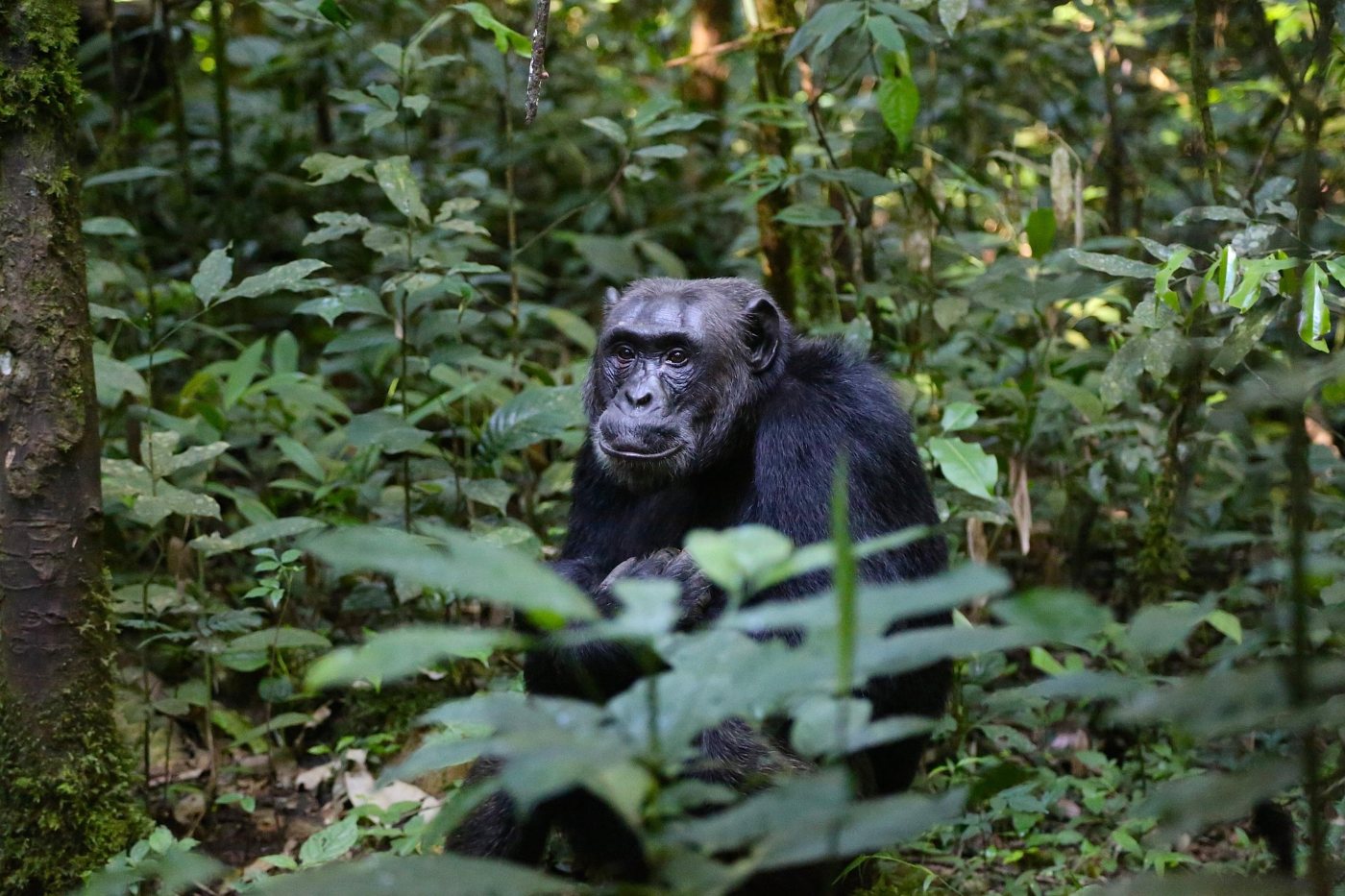
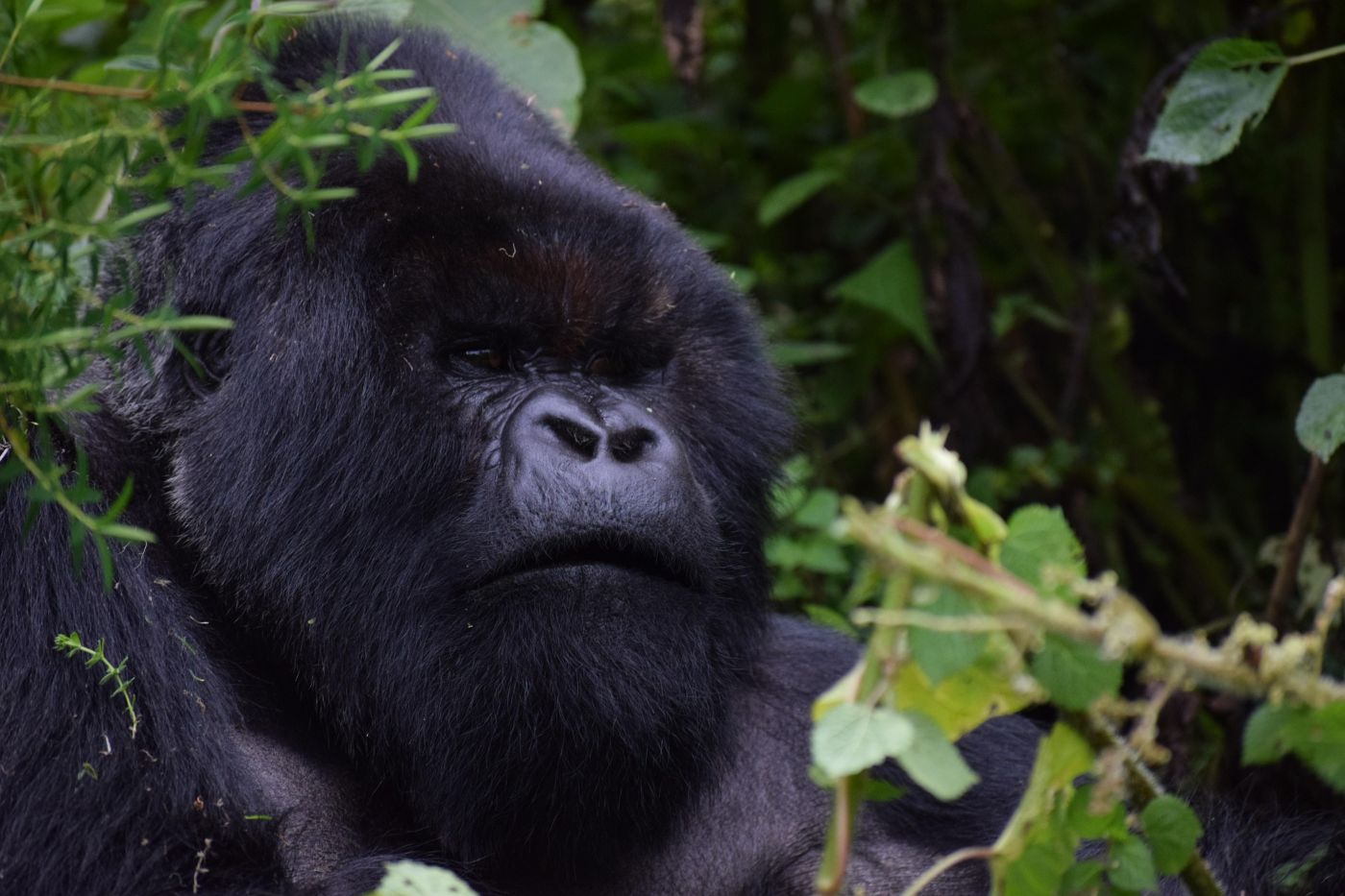
There are experiences that you know, even while they are happening, that you will remember for the rest of your life. Sitting in a clearing in the Virunga forest while a mountain gorilla family goes about its morning – a silverback eating celery with the focused concentration of a man who has decided this is the most important thing happening right now, a juvenile playing on a branch above your head, a mother nursing an infant while watching you with an intelligence that is both familiar and completely alien – this is one of those experiences.
I went to Rwanda for the gorilla trek on what was technically a solo trip – my partner was travelling for work and I had three days, a permit I had booked eight months earlier, and a level of anticipation that I was half-afraid would lead to disappointment. It did not lead to disappointment. Nothing could have disappointed after that morning in the forest.
The Basics
Mountain gorilla trekking takes place in Volcanoes National Park in northwest Rwanda, in the Virunga Massif that straddles the border with Uganda and the Democratic Republic of Congo. There are approximately 1,000 mountain gorillas remaining in the world, and all of them live in this mountain forest ecosystem. Rwanda protects roughly half of them. The gorillas are habituated to human presence through a careful, multi-year process, and trekking involves following a specific family group with a maximum of eight visitors per group per day.
A gorilla permit in Rwanda costs $1,500 per person per visit. This is a significant cost, and it is non-negotiable. The fee is high by design – it funds conservation, anti-poaching operations, and community benefit programmes, and it limits visitor numbers to a level the ecosystem can sustain. The ethical case for the price is sound, and it is worth remembering that mountain gorillas were classified as Critically Endangered for decades; Rwanda’s investment in conservation has contributed to a population that is now, carefully, increasing.
Getting There from Nairobi
The most straightforward route from Nairobi to Kigali is by air – several airlines fly the route including Kenya Airways, RwandAir, and Jambojet, with flight times of around one hour fifteen minutes. From Kigali, the drive to the park entrance at Kinigi takes about two to two and a half hours. Most lodges and tour operators offer airport-to-lodge transfers and will organise your park day logistics. RwandAir is worth considering for this route as it often has good fares and operates a modern, reliable fleet.
You can do a Rwanda gorilla trek on a long weekend from Nairobi – fly Thursday evening, trek Friday morning, spend Friday afternoon and Saturday in Rwanda, fly back Sunday. Three nights in Rwanda is more comfortable and allows for a second trek or time to explore Kigali, which is an extraordinary city by any African standard – clean, safe, efficient, and with a genuine food and culture scene that surprises most visitors.
The Trek Itself
The trek varies in difficulty depending on which gorilla family you are assigned to and where they happen to be that day. Some families range widely and treks can take four to six hours of hiking through dense mountain forest at altitude. Others are found within an hour. You do not choose – the rangers track the family the previous evening and brief you in the morning on the likely difficulty. Come prepared for a hard day and be pleasantly surprised if it is easier than expected.
The forest is beautiful, cold in the early morning and warming through the day, dense with vegetation and the sounds of birds. The trek is guided by trackers and rangers who communicate with each other by radio as they close in on the family’s location. At a certain point the radio traffic stops and the guide signals quiet, and then you push through a final section of forest and they are simply there – enormous, calm, going about their morning with a self-possession that makes you feel, correctly, that you are the guest.
You have one hour with the gorillas. Sixty minutes, timed from the moment of first contact. They feel like ten. They feel like a hundred. The silverback at one point stood up, looked directly at our group, and then sat back down and resumed eating. The guide told us quietly afterwards that this was normal, that he was confirming his awareness of our presence rather than threatening us. He was big enough that “threatening” would have been an academic concept.
Age Restrictions and Family Trips
The minimum age for gorilla trekking is fifteen years old. This is a fixed rule and is not waivable. For families with younger children, Uganda offers a “gorilla guardian” programme that includes an educational component for younger visitors, though the trekking itself still has age restrictions. Rwanda with teenagers is an exceptional trip – the gorilla trek plus Kigali’s Genocide Memorial (which is sobering and important and handled with remarkable thoughtfulness) plus the city’s food scene makes for a genuinely educational and memorable travel experience.
Book the permit well in advance. The most popular slots – weekends, school holidays – sell out quickly, and eight to ten months ahead is not excessive for peak periods. The Rwanda Development Board manages permit allocation through authorised tour operators.