The idea for the road trip came from a map. We had it pinned on the kitchen wall – a large physical map of East Africa, bought from a bookshop on Mama Ngina Street in the early months of the posting because I wanted to understand where we were in relation to everywhere else. One evening I stood in front of it with a glass of wine, tracing routes with my finger, and realised that Uganda was not as far as I had been treating it in my mental geography. The direct road from Nairobi to Kampala is about 700 kilometres. The scenic route through western Kenya – via the Rift Valley lakes, the Kakamega Forest, the Uganda border at Malaba or Busia – is longer but traverses some of the most beautiful terrain in Africa.
We planned the road trip over three evenings, gave ourselves eight days, and drove out of Nairobi on a Monday morning in the direction of Lake Naivasha with two children, one roof box, and a wildly optimistic estimate of how long the first day’s drive would take. Here is what we found.
Day One and Two: The Rift Valley Lakes
The first stop was Lake Naivasha, which from central Nairobi is about ninety minutes on the main Nakuru highway. We took the escarpment road to the viewpoint – the one that stops you short regardless of how many times you have seen it – and the children, who had both been told about it, still pressed their faces to the windows when the valley appeared. Naivasha for one night, with a boat on the lake in the evening and Hell’s Gate on bicycles the next morning, is a rhythm we have done several times. It never gets old.
Day two took us to Lake Bogoria and Lake Baringo in the northern Rift Valley, which most Nairobi expats have not visited and definitely should. Bogoria is a hot spring lake – geysers shoot from the lake bed and the shores are regularly lined with flamingos, the same alkaline chemistry as Nakuru drawing them north. Lake Baringo is a freshwater lake with hippos and an extraordinary diversity of birds – over 470 species recorded here, which makes it one of the top birding sites in Kenya. We stayed on an island in the middle of the lake reached by motorboat, which the children regarded as the best accommodation decision we had ever made.
Day Three and Four: Kakamega Forest
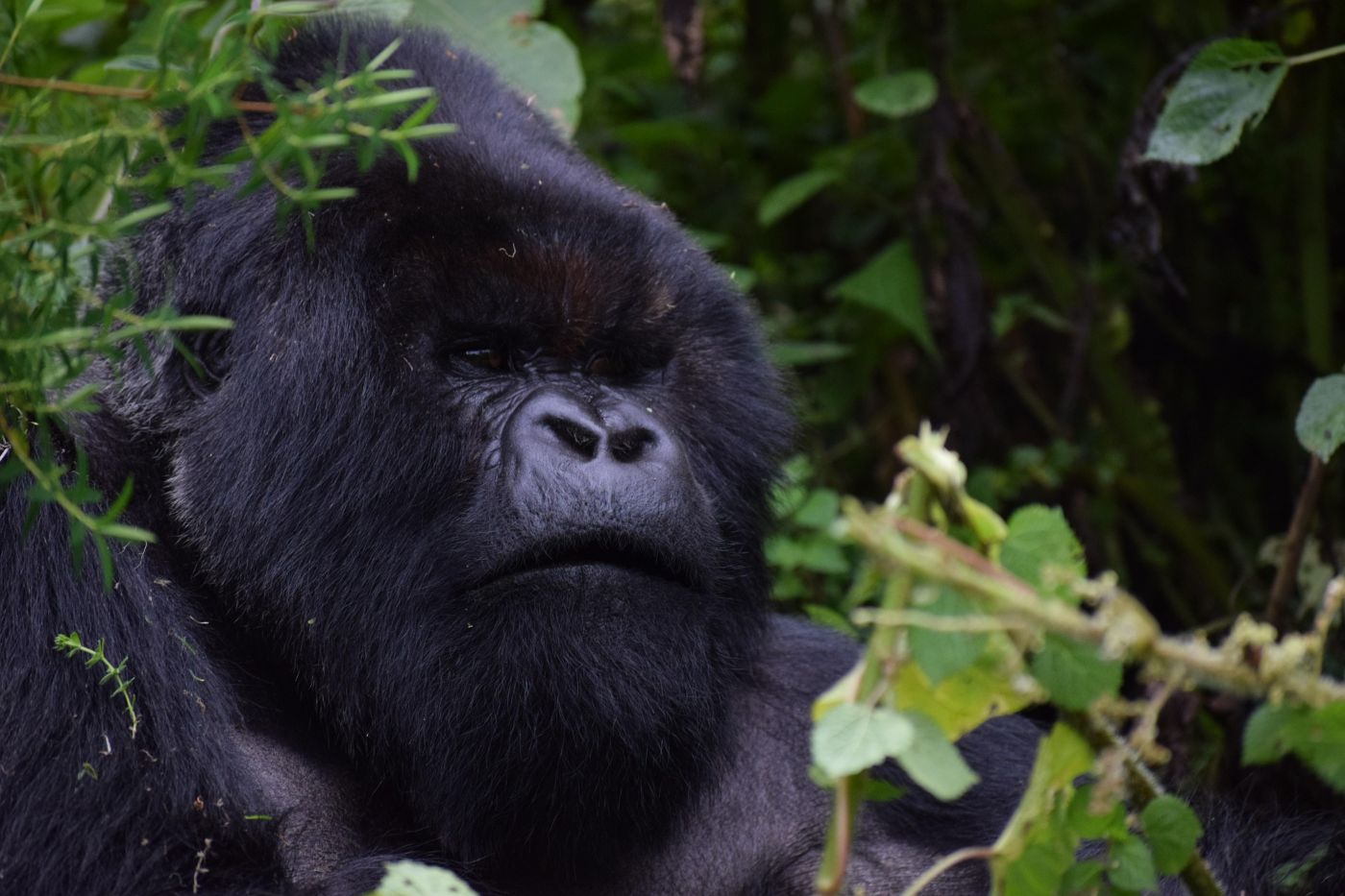
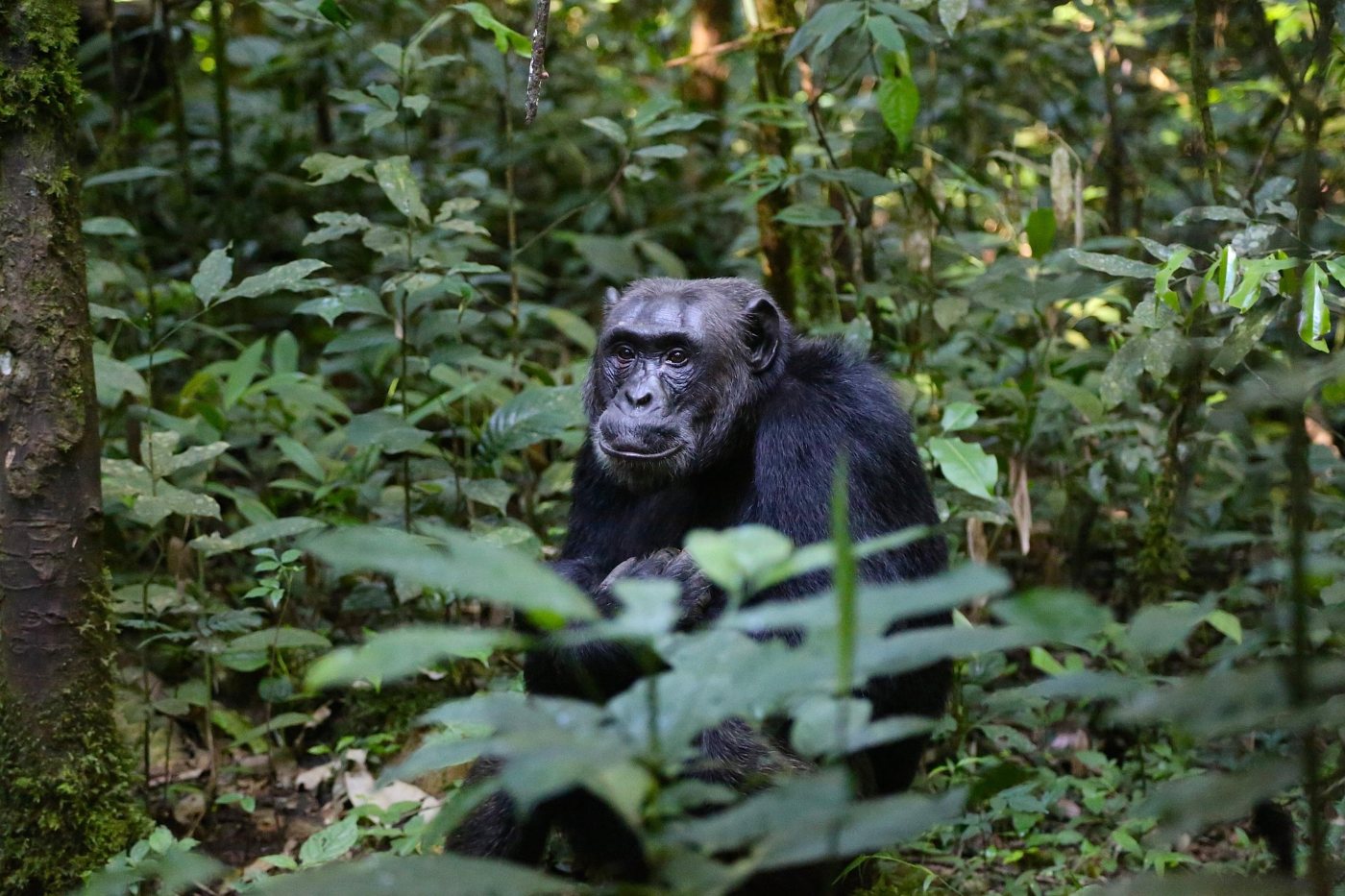
The drive from Baringo to Kakamega takes about three hours through the increasingly agricultural west of Kenya. Kakamega Forest is Kenya’s only remaining tropical rainforest – a remnant of the Congo Basin forest that once stretched continuously across equatorial Africa – and it is extraordinary. The birding is exceptional (species found nowhere else in Kenya live here), the primates are diverse and visible, and the forest itself has a density and greenness and sound that is utterly unlike the savanna environments that define most people’s experience of Kenya.
We spent two nights at a small forest lodge and did guided walks both mornings. The guide found De Brazza’s monkeys (a beautiful, rare primate with a white beard that makes it look mildly distinguished) on the first morning, and a species of chameleon that the children spent the rest of the trip intermittently discussing. Kakamega is a place I would not have thought to include on a road trip itinerary and am now evangelical about.
Day Five: Crossing into Uganda
The border crossing at Busia was our entry point into Uganda. Land border crossings with children require patience and a good book – the process involves exit stamps from Kenya, entry stamps to Uganda, vehicle paperwork, insurance certificates, and the general orbital uncertainty of administrative processes that involve multiple agencies with occasionally competing priorities. We were through in about ninety minutes, which we were told was fast.
The road from Busia to Kampala passes through the sugar cane plains of eastern Uganda and then lifts through green rolling hills into Kampala. The city reveals itself from a hill, sprawling across its famous seven hills, and the first impression is of a city moving with enormous energy and not entirely in a coordinated direction. Kampala is chaotic and warm and interesting and worth a full day if your itinerary can accommodate it.
Day Six and Seven: Jinja and the Nile
We did not go to Kampala for long. We went to Jinja – about eighty kilometres east of Kampala, where the Nile begins. Jinja is where Lake Victoria’s outflow begins the Nile’s journey – 6,700 kilometres to the Mediterranean. The source of the Nile is now a small island viewable by boat, and the significance of standing at the beginning of the world’s longest river is not lost even on children, if you have given them the geography context in advance.
Jinja has become an adventure sports hub. White water rafting on the Nile is world-class and appropriate for older children (twelve and up at most operators). For younger children and adults, the kayaking on the calmer upper section, the boda-boda (motorcycle taxi) tour of the old Indian quarter, and the sunset boat cruise at the source are all excellent.
Day Eight: Home
We drove back in two long days – Jinja to Kisumu on Lake Victoria, then Kisumu to Nairobi via Nakuru. The Kisumu lakeside at sunset, watching the fishing boats come in on Africa’s largest lake, is a specific pleasure that I had not encountered before this trip and will return to. The children were tired and happy and had taken approximately 800 photographs of animals, landscapes, and each other on disposable cameras.
The East Africa road trip is, I will say this simply, one of the better things we have done as a family. It is logistically more complex than flying somewhere and being collected by a lodge vehicle – you need to think about border documentation, vehicle insurance, road conditions, accommodation that can be reached by self-drive. But it returns something that packaged holidays do not quite manage: a genuine sense of having moved through the continent, of understanding the scale and variety of it, of arriving somewhere by virtue of having crossed the distance yourself.